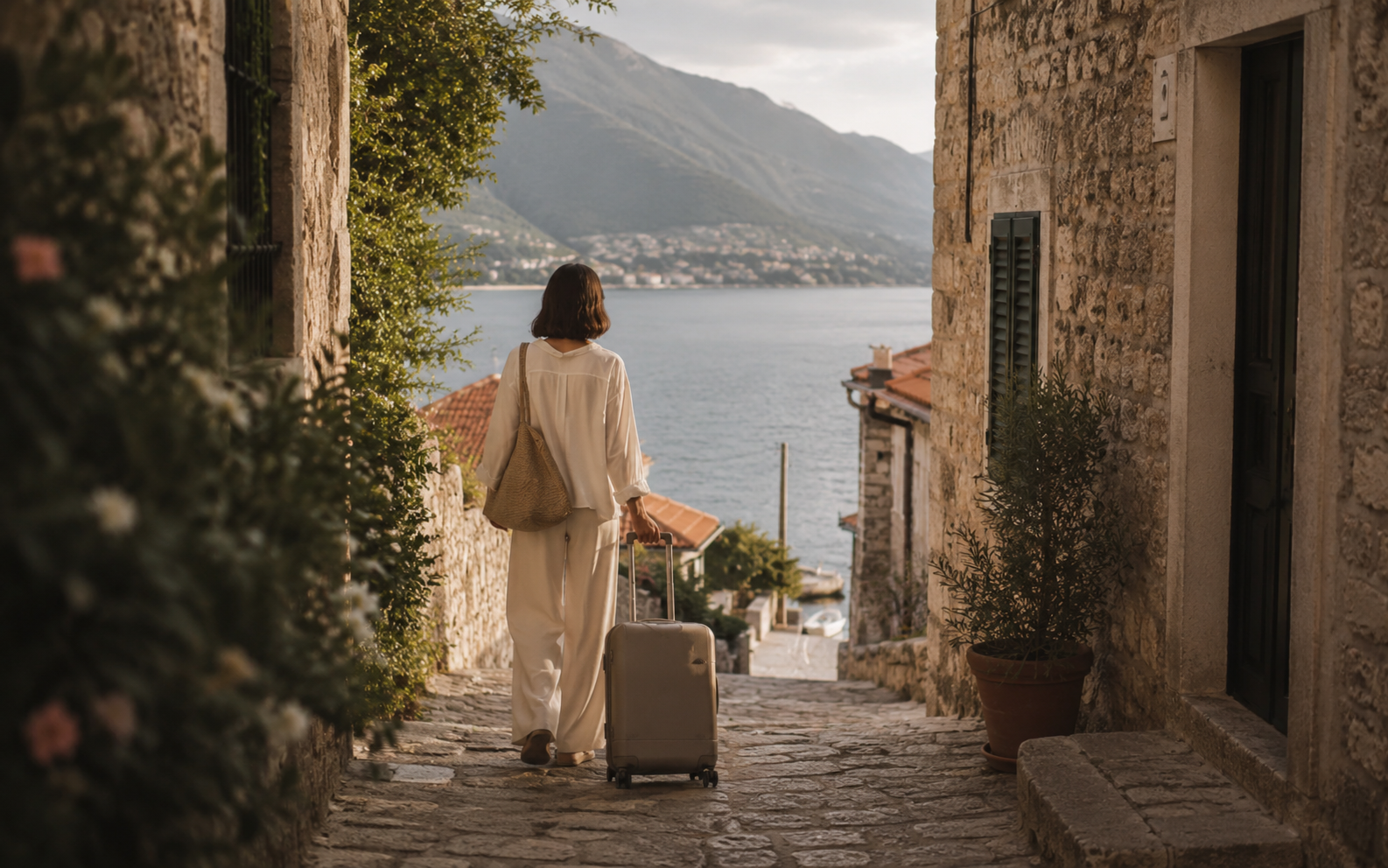
An AI packing list changes the entire mood of trip preparation. Instead of staring at an open suitcase and guessing what matters, you start with structure. The process feels calmer because every category has a place. You can think through weather, outfits, documents, tech, and toiletries before panic arrives. This is especially helpful when plans shift quickly. A smart system also catches small details people often forget. Travelers who want a faster start can use AI travel packing support to make preparation feel less random. That single shift can make departure day feel lighter, cleaner, and more controlled.
Most packing stress begins before anything enters the bag. You are not only choosing clothing. You are predicting weather, activities, baggage limits, and your own habits. When those decisions happen at once, packing becomes noisy. An organized digital approach separates the thinking from the folding. That makes each choice easier. It also helps you notice conflicts, such as too many shoes or missing layers. A packing list generator can turn scattered thoughts into a practical starting point. The result is not perfection. It is a cleaner first draft that saves time.
Travelers often blame themselves for overpacking, but the real problem is decision overload. Every item feels possible when there is no clear plan. You pack extras because uncertainty feels uncomfortable. A structured prompt removes some of that pressure. It asks what kind of trip you are taking, how long you will stay, and what conditions matter. Then it organizes the answers into useful categories. You still make final choices, but you do not start from emptiness. This makes packing feel more like editing than inventing. That difference matters when you are tired.
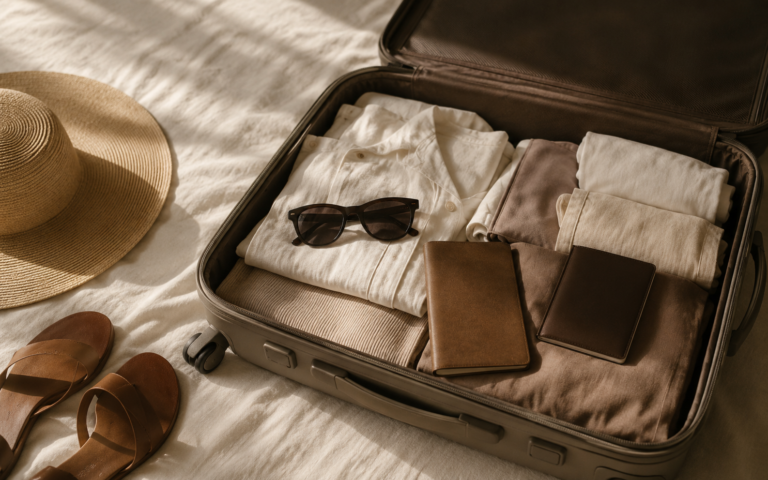
Carry-on travel rewards clarity. You need fewer items, better combinations, and smarter priorities. Random packing usually fills space too quickly. A calmer method pushes you to choose versatile layers and repeatable outfits. It also helps separate true needs from imagined emergencies. For short trips, a carry-on packing system can prevent last-minute stuffing. The goal is not extreme minimalism. The goal is confidence with less bulk. When every item has a reason, your bag becomes easier to carry and easier to use.
Carry-on travelers benefit from a system that thinks in outfits, not isolated pieces. A shirt is more useful when it works with several bottoms. Shoes matter more when they match multiple activities. Toiletries need limits because small containers create real constraints. Technology also needs attention, especially chargers, adapters, and backup cables. A clear packing shortcut helps you review these areas before you zip the bag. It can also remind you to check airline rules. That prevents annoying surprises at the airport. Practical structure makes light travel feel realistic.
Packing is only one part of leaving well. You also need documents, reservations, payment options, and daily plans. A good shortcut connects the suitcase to the full trip. It can remind you to prepare medications, copies of documents, and weather-specific items. This helps you stop treating packing as a separate chore. Instead, it becomes part of a smoother departure routine. The value becomes clear when something changes. A delayed flight, rainy forecast, or added event becomes easier to handle. Your list adjusts because your thinking is already organized.
Forgotten items rarely ruin a trip completely, but they can drain energy. A missing charger creates unnecessary errands. Wrong shoes can make a walking day miserable. Too many heavy items can turn airport transfers into a workout. Small errors also cost money because you replace things you already own. A thoughtful vacation packing template helps catch those details earlier. It gives your brain a second pass before departure. That makes the final suitcase feel more intentional.
The best packing systems improve with repetition. After each trip, you learn what you used and what stayed untouched. Those observations make the next list sharper. Over time, your method becomes personal. It reflects your climate preferences, comfort needs, favorite travel style, and common mistakes. That is where the shortcut becomes more than a one-time tool. It becomes a small travel routine that keeps working. You start packing with memory instead of stress. Future departures feel easier because the system remembers what your tired brain forgets.
Good packing does not need to feel dramatic. It can feel simple, steady, and surprisingly quick. When the plan is clear, you stop circling the room looking for missing pieces. You also stop adding items just because anxiety suggests them. The suitcase becomes a reflection of the trip you are actually taking. That creates a better beginning. You leave with fewer doubts and more energy. Preparation becomes part of the adventure instead of a barrier before it. That is the quiet power of a smarter packing routine.



Leave a comment