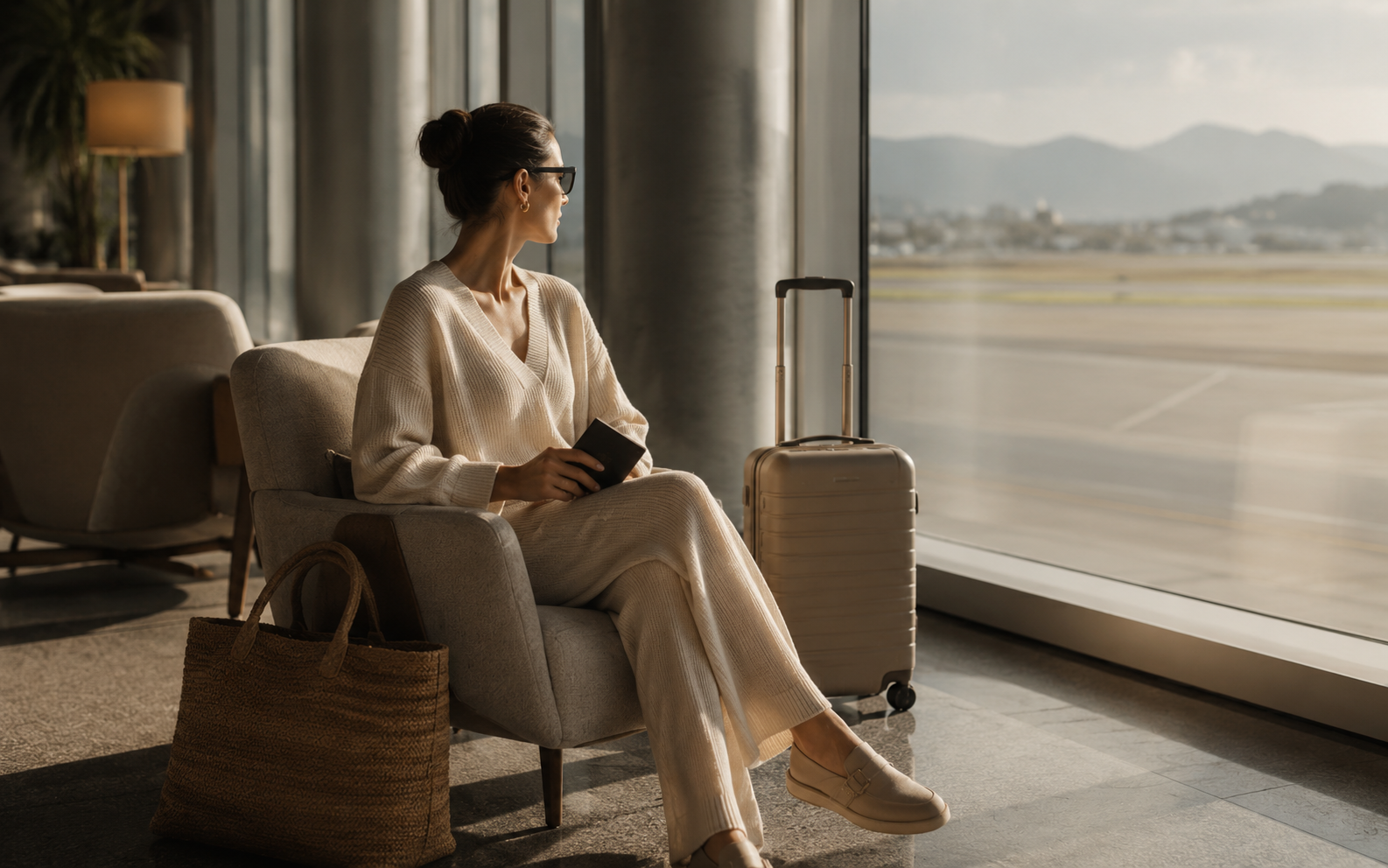
A solo travel planner can turn a vague idea into a trip that feels exciting, safe, and beautifully personal. Many people dream about traveling alone, but the details can feel intimidating. Where should you stay? How much should you plan? What should you book early? Which moments should stay open? A structured approach gives those questions a place to land. It helps you design a week that includes freedom without chaos. Travelers preparing their first independent escape can use a solo travel itinerary to create rhythm, confidence, and direction.
Confidence grows when uncertainty becomes smaller. Solo travel asks you to make every decision yourself, which can feel empowering and overwhelming. A plan does not remove adventure. It gives adventure a safer frame. You know where you sleep, how you move, and what matters most each day. That structure leaves room for spontaneous discoveries. It also reduces the pressure of constant decision-making. A solo travel planner helps you feel prepared without making the trip rigid. That balance is what makes solo travel enjoyable.
One week is long enough for discovery and short enough to need focus. Without structure, days can blur or become overcrowded. A solo travel planner helps separate arrival, exploration, rest, and departure. This creates a rhythm that feels human. You can plan one anchor activity each day and leave space around it. That method prevents burnout. It also keeps the trip flexible. A one-week travel plan makes the experience feel full without becoming exhausting.
Solo trips work best when the destination matches your energy. Some travelers want museums, cafes, and quiet walks. Others want beaches, hiking, nightlife, or creative neighborhoods. The right choice depends on your comfort level and curiosity. A first solo trip may benefit from easy transportation and walkable areas. More experienced travelers might enjoy remote places or multi-city movement. The destination should stretch you gently, not overwhelm you completely. When the mood fits, the trip feels more natural.
Safety planning should feel practical, not scary. A solo travel planner can help you organize arrival times, local transport, emergency contacts, and accommodation details. It can also encourage habits like sharing your itinerary and saving offline maps. These steps create confidence. They do not need to dominate the trip. Safety works best when it becomes quiet preparation in the background. A safe solo travel habits approach keeps attention on enjoyment while still respecting real-world logistics.
Planning alone reveals what you actually want. There is no group vote, no compromise schedule, and no pressure to match someone else’s pace. That can feel strange at first. It can also feel liberating. You get to build mornings around your energy. You can choose slow lunches, long walks, early nights, or packed afternoons. The itinerary becomes a mirror. It shows your preferences clearly. That personal quality is one reason solo travel becomes memorable.
Money and time shape every trip. A solo travel planner helps you decide where to spend and where to save. You may choose a central hotel to reduce transportation stress. You might spend more on one memorable activity and keep meals simple. Clear planning also protects time. It prevents long daily commutes from stealing the week. Budgeting becomes easier when the trip has priorities. This keeps spending aligned with experience. A good plan helps every dollar serve the adventure.
The best solo trips are not scheduled every minute. They include space for wandering, resting, and changing your mind. Planning should support those moments, not erase them. Leave flexible blocks after major activities. Choose neighborhoods worth exploring slowly. Keep one evening open for something you discover on the trip. This gives the week texture. You are not simply completing an itinerary. You are living inside a place for a little while. That is where many favorite memories happen.
A solo travel planner can support more than logistics. It can create space for reflection, independence, and renewed confidence. Traveling alone often shows people they are more capable than they expected. Small wins matter. Finding your way, choosing a restaurant, solving a delay, and enjoying your own company all build trust. The trip becomes more than a vacation. It becomes proof. You return with memories, but also with a stronger sense of yourself.
Solo travel works beautifully when structure and freedom meet. A thoughtful plan gives you safety, direction, and momentum. Open space gives you discovery, surprise, and personal meaning. Together, they create a week that feels intentional without feeling controlled. You do not need to be fearless to begin. You only need a plan that respects your comfort and curiosity. From there, the adventure becomes real. One well-planned week can change how you see travel and yourself.


Leave a comment