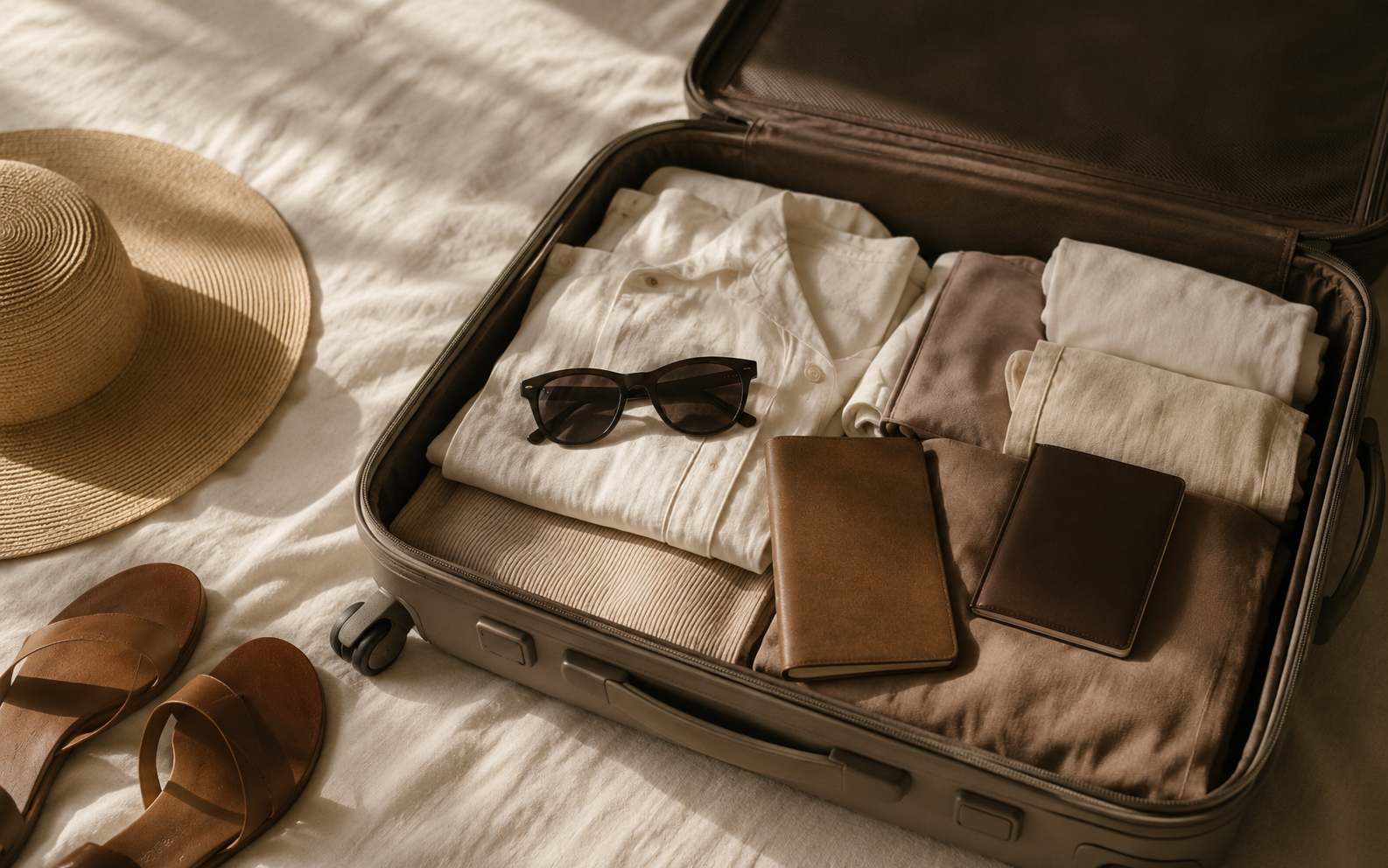
A smart packing shortcut helps travelers stop turning every trip into a mental maze. Packing often feels simple until the suitcase comes out. Then weather, outfits, toiletries, documents, electronics, and backup plans all compete for attention. The process becomes slower because every item feels connected to another decision. A better shortcut gives the task a beginning, middle, and finish. It helps you move through categories instead of circling the same doubts. Travelers who want more structure can use travel organization tools to make that process easier. The result is faster packing with fewer regrets.
Categories reduce mental clutter. Clothing, toiletries, documents, tech, health, comfort, and activity items each need separate attention. When everything stays in one big pile, your brain works harder. You forget obvious items because there is no reliable order. A category-based method creates a simple path. You finish one area before moving to the next. That creates small wins. It also makes gaps easier to spot. The suitcase begins to feel organized before it is even full.
Overpacking usually comes from fear, not need. You imagine every possible situation and try to solve it with extra items. This makes the bag heavier and the trip less comfortable. A smart packing shortcut helps you ask better questions. Will this item be used more than once? Does it match the actual itinerary? Can something else serve the same purpose? These questions turn packing into selection. A minimalist packing method can support that choice without making travel feel bare.
Outfit planning works better than item counting. A suitcase full of nice pieces can still fail if they do not work together. A stronger method starts with real travel days. You choose combinations for flights, walking, dinners, weather shifts, and downtime. Then you repeat versatile pieces where possible. Shoes and outer layers need special attention because they take the most room. This approach keeps style practical. It also reduces the need for emergency extras. You pack for scenes, not vague possibilities.
Last-minute trips expose weak systems quickly. There is less time to think, so stress grows faster. A smart packing shortcut gives you a ready sequence when your brain feels rushed. Start with documents and essentials. Move to clothing by day. Add weather layers. Finish with tech, toiletries, and comfort items. This order prevents the biggest mistakes. It also helps you avoid wasting time on low-priority details. A shortcut does not remove urgency, but it gives urgency a structure.
Forgotten items tend to be small and important. Chargers, adapters, medication, lip balm, sunglasses, sleep masks, laundry bags, and copies of documents often disappear from memory. These items are easy to overlook because they are not dramatic. Yet they affect comfort every day. A system that includes small essentials prevents unnecessary shopping. It also reduces frustration during the trip. A packing mistakes to avoid approach can make final checks much sharper. Small prevention creates noticeable ease.
Repeat travelers gain the most from a reusable system. Every trip creates information. You learn which clothes worked, which shoes hurt, and which extras stayed untouched. A smart packing shortcut turns those lessons into a better next list. This makes preparation faster with each journey. You stop rebuilding the process from nothing. Your method becomes personal and practical. It also adapts across trip types. That is why repeatability matters more than perfection. A flexible system improves because you keep using it.
The final edit is where good packing becomes excellent. Lay out your choices and remove duplicates. Check whether each item supports a real day or activity. Separate comfort from clutter. Keep what solves a clear need. Remove what only calms a passing fear. This step can feel uncomfortable, but it creates freedom later. A lighter bag moves better through airports, stairs, trains, and hotel rooms. Editing is not deprivation. It is choosing comfort after departure.
A smart packing shortcut does more than fill a suitcase. It reduces the emotional noise before travel. You know what is packed, why it is packed, and where it belongs. That creates confidence before you leave home. It also makes unpacking easier because the bag has logic. Travel still brings unknowns, but your preparation feels steadier. When packing becomes repeatable, departures become less dramatic. You start the trip with energy left for the actual experience.
Travel preparation should support the trip, not consume it. A clear shortcut helps you stop overthinking and start moving. It gives your suitcase purpose. It protects your time. It keeps essentials visible. Most importantly, it makes packing feel like a manageable routine. You can still personalize the final choices. You can still add style, comfort, and preference. The difference is that every choice happens inside a calm structure. That makes leaving home much easier.



Leave a comment